
Luxury etiquette is often mistaken for a dress code: polished language, formal greetings, a room that looks expensive. In 2026, the more revealing test is whether a service provider can make a high-value client feel understood without making them feel watched. The best service is attentive, not theatrical.
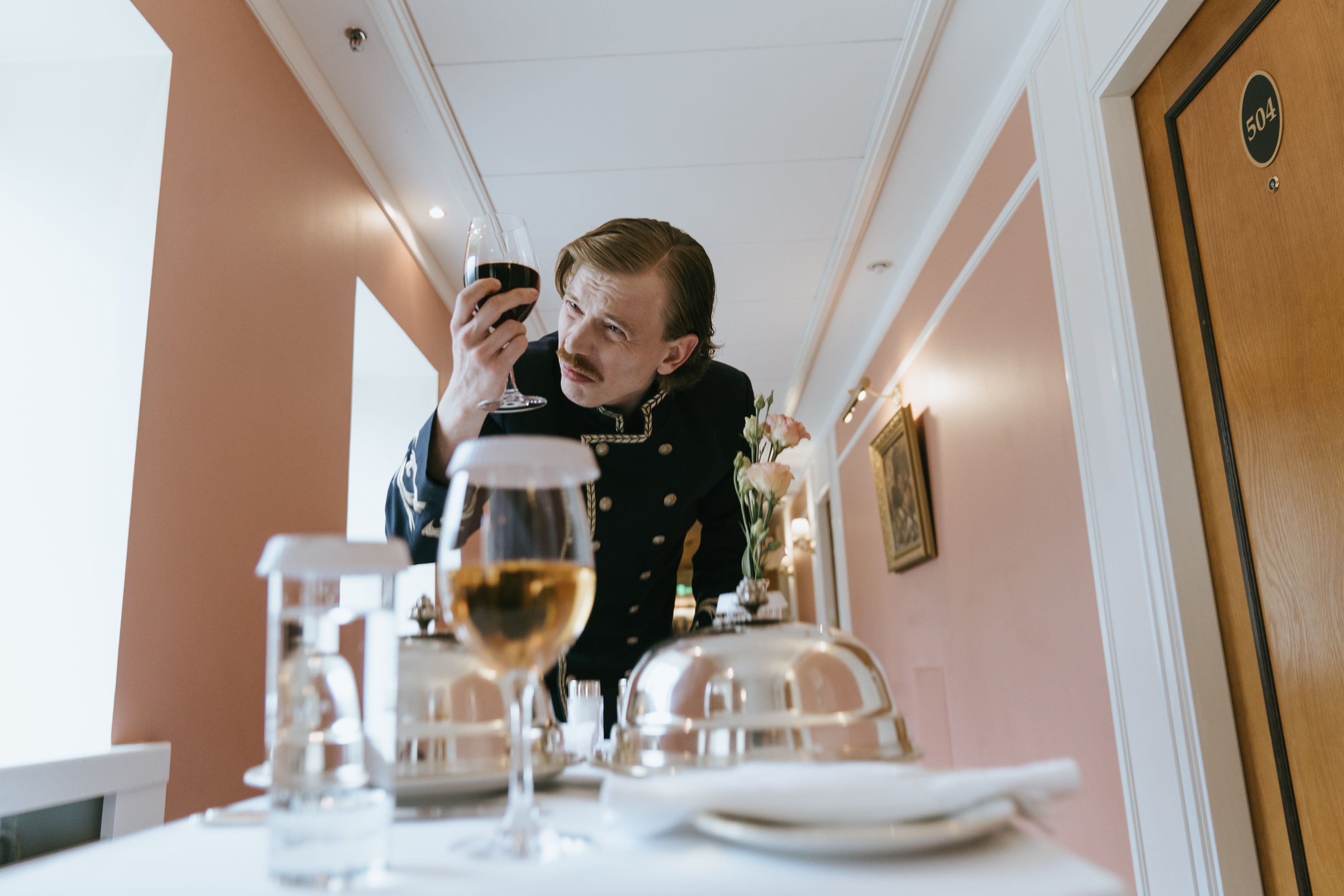
Anticipation is useful only when it saves time
A returning client should not have to repeat every preference. Remembering a dietary restriction, meeting format, preferred room temperature, or how they like to be contacted turns service into something seamless. McKinsey’s analysis of leading hotels describes how teams use guest preferences to anticipate needs, while warning that research should never feel intrusive.
That distinction matters: remembering a preference a client volunteered is thoughtful; announcing personal details they never chose to share can feel unsettling. I would prioritize accurate, relevant memory over elaborate surprise. A quiet adjustment made before the client asks is worth more than a grand gesture that interrupts their day.
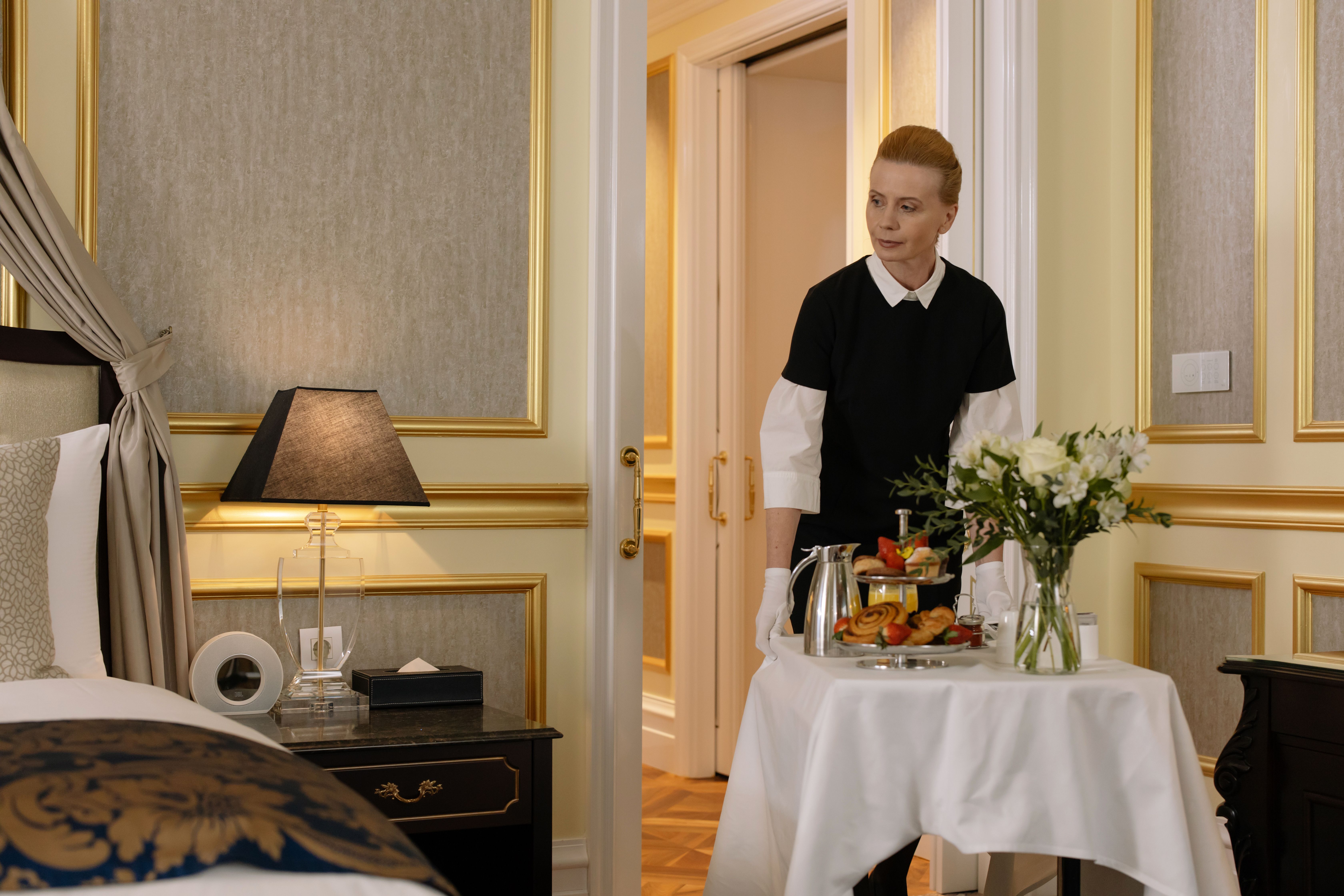
Privacy is part of the service
High-paying clients often have little patience for unnecessary exposure: discussing private details in a lobby, forwarding a message to the wrong person, or turning a discreet request into a public display. Confirm what can be shared, use the agreed channel, and keep records and conversations limited to people who need them. Discretion is not mysterious; it is careful handling of ordinary information.
The same standard applies whether arranging a private consultation, a hotel stay, or a discreet personal service such as Louisa: clarify the scope, timing, privacy expectations, and payment terms before the appointment. Clear boundaries protect both sides and prevent an expensive misunderstanding.

Use technology backstage; keep judgment human
“Personalized” should not mean automated familiarity. A message that uses a client’s name but ignores their actual request is worse than a concise, competent reply. Bain & Company’s June 2026 research found that 82% of very heavy luxury spenders surveyed in France, the United States, and China had used AI during their most recent luxury purchase. They may welcome digital tools for discovery and speed; that does not mean they want a bot to handle every sensitive moment.
My read is that technology should remove friction, not simulate intimacy. Let it retrieve a past preference or confirm an appointment; let a capable person interpret an ambiguous request, acknowledge a problem, and decide when an exception is warranted. A brief, honest update beats a polished string of automated reassurances.

The real luxury is control
Clients paying premium rates are not entitled to ignore staff, change agreed terms without discussion, or demand impossible timelines. Good etiquette is reciprocal: arrive prepared, communicate changes early, respect the provider’s expertise, and pay according to the agreement. Providers, in turn, should make choices and constraints clear rather than relying on hints.
Before a meeting or booking, settle three things in writing: what is included, when and how you will communicate, and what happens if plans change. That small act prevents awkwardness more reliably than any amount of ceremonial polish.
In 2026, luxury is less about being treated as untouchable than being spared avoidable effort. The client should feel recognized, never monitored; looked after, never managed. And the provider should be able to deliver that experience without surrendering their own boundaries.